Experience & capabilities
Systems knowledge.
People who can rely on it.
Military communications, enterprise network operations, and independent projects have shaped how I approach unfamiliar work.
Employment & service
Professional experience
Company-level coordination during COVID staffing shortages
As an Army Specialist (E-4), I temporarily coordinated personnel accountability, motor-pool maintenance, routine garrison work, and my COMSEC custodial responsibilities while much of the company was unavailable. The assignment covered a period of severe COVID-related staffing shortages.
Experience and capabilities
Technical operations grounded in practical execution.
My background combines military communications, production network support, independent infrastructure, websites, community operations, and early-stage business development. Across those environments, the consistent responsibility has been to understand what a system is supposed to accomplish, keep it operating, document what matters, and make responsible decisions when conditions change.
Military Communications / US Army Nodal Network Systems Operator
- Tactical networks, VoIP, troubleshooting, equipment accountability, and soldier training at Fort Stewart and in Germany.
- First Soldier in 2ABCT to learn, bring online, and teach the T2C2 GATR Ball system.
- Company challenge coin and promotion to Specialist at the earliest time-in-service eligibility.
Read military experience & view service photographs
Military communications in practice
My Army experience combined technical responsibility with teamwork in environments where communications had to be deployable, understandable, and dependable. These photographs represent the people and service behind the network-operations experience described below.
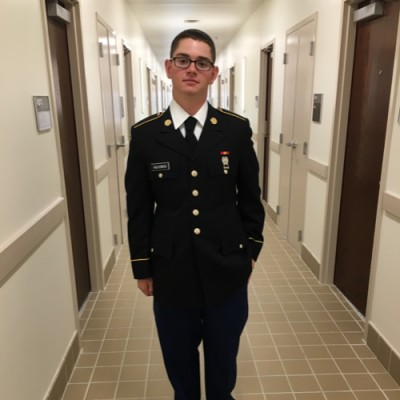
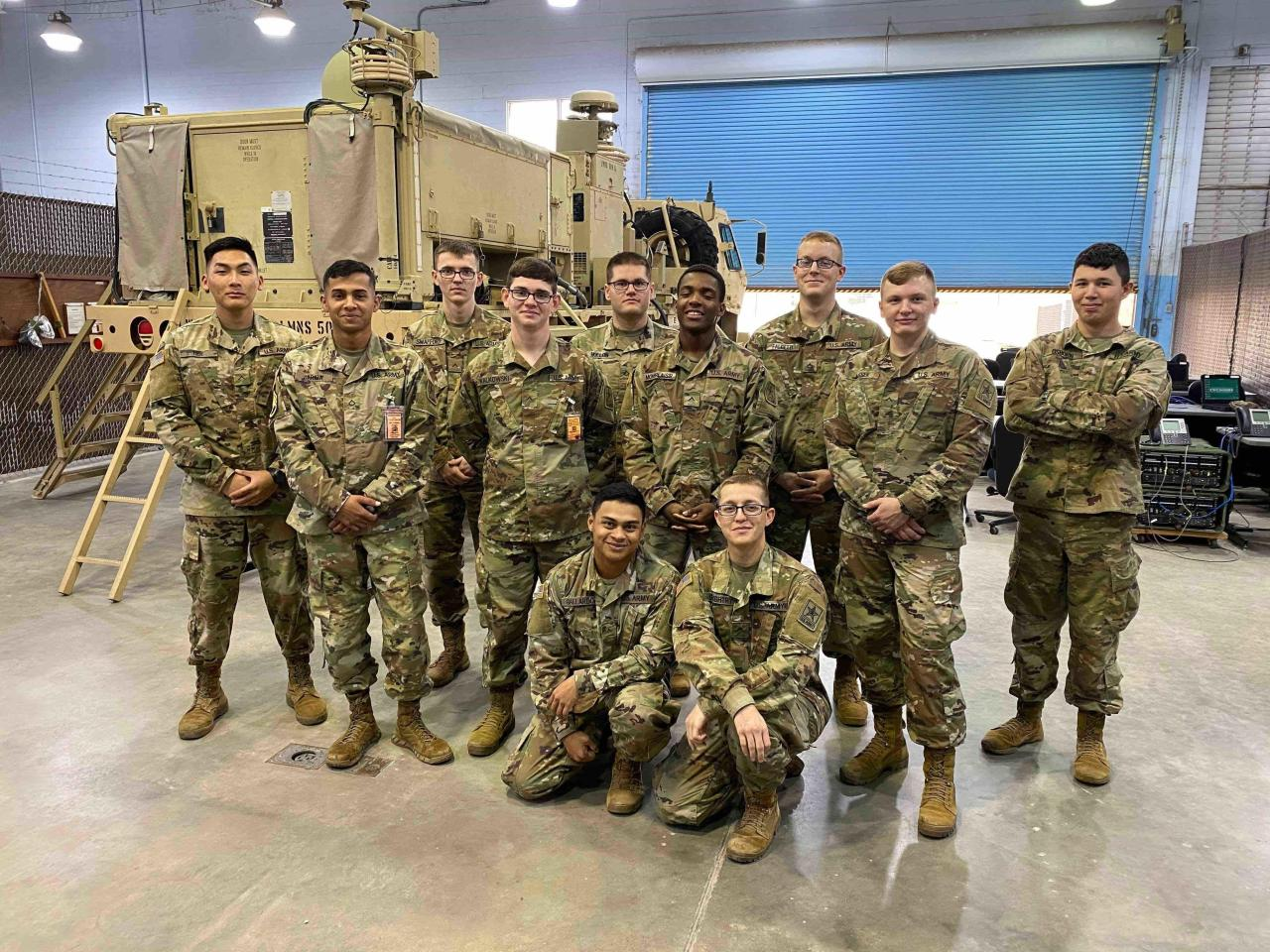
Nodal Network Systems Operator — United States Army, Fort Stewart and Germany
April 2019 – April 2022
I built, operated, and maintained tactical communications networks in field conditions where equipment limitations, time pressure, and changing requirements were normal. My responsibilities included user access, VoIP, system performance, troubleshooting, equipment accountability, and training soldiers to operate and maintain the environment. The objective was to leave the team capable of sustaining the system rather than making one technician the single point of failure.
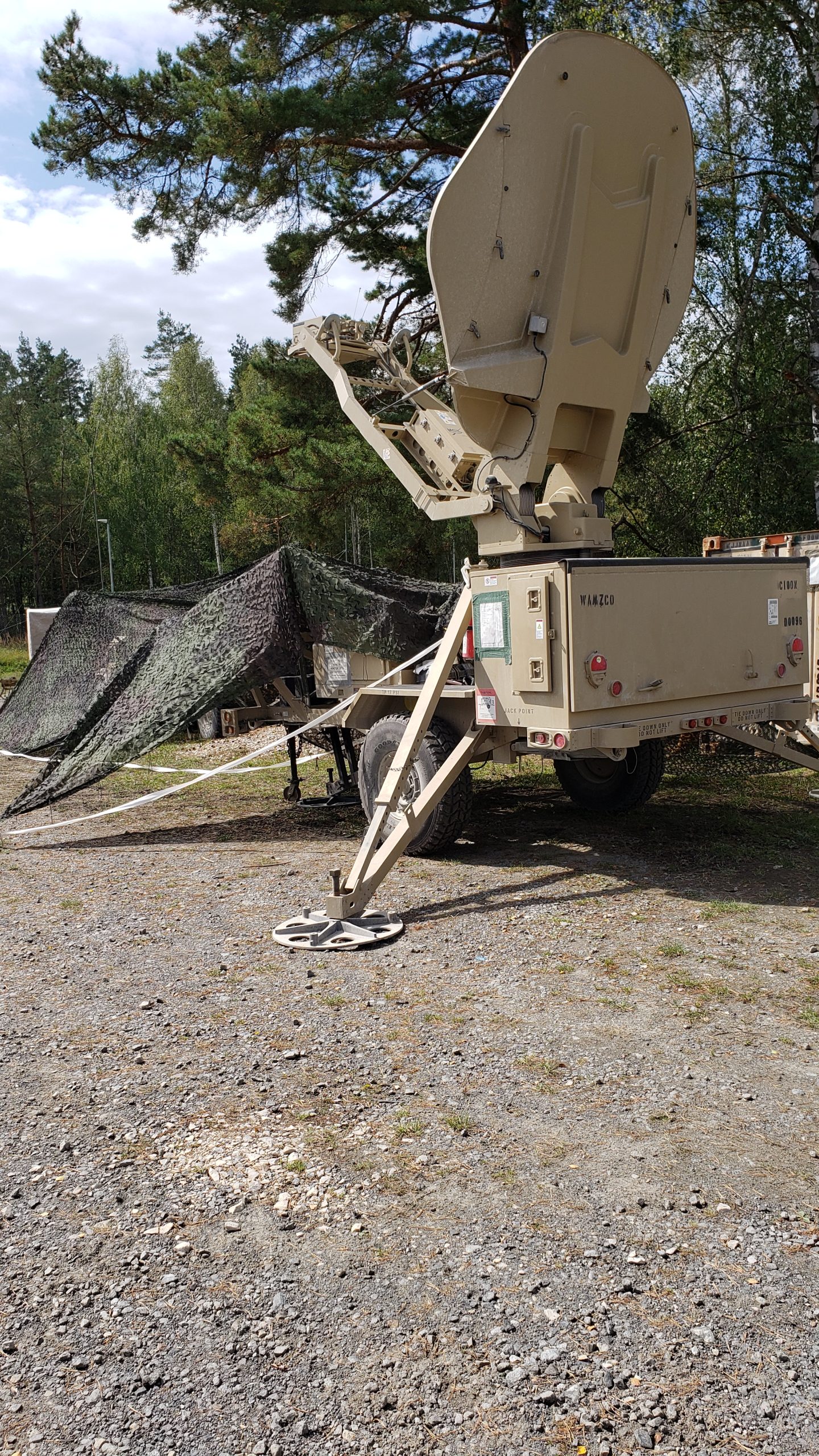
While assigned to 2nd Armored Brigade Combat Team, 3rd Infantry Division, I supported field communications work in Germany. I became the first Soldier in 2ABCT to learn the Transportable Tactical Command Communications (T2C2) system—commonly called the GATR or “Gator Ball”—bring it to an operational state, and then teach a class so other Soldiers could operate it. The system provides rapidly deployable satellite voice and data connectivity without depending on permanent infrastructure, making correct setup and knowledge transfer important in field conditions.
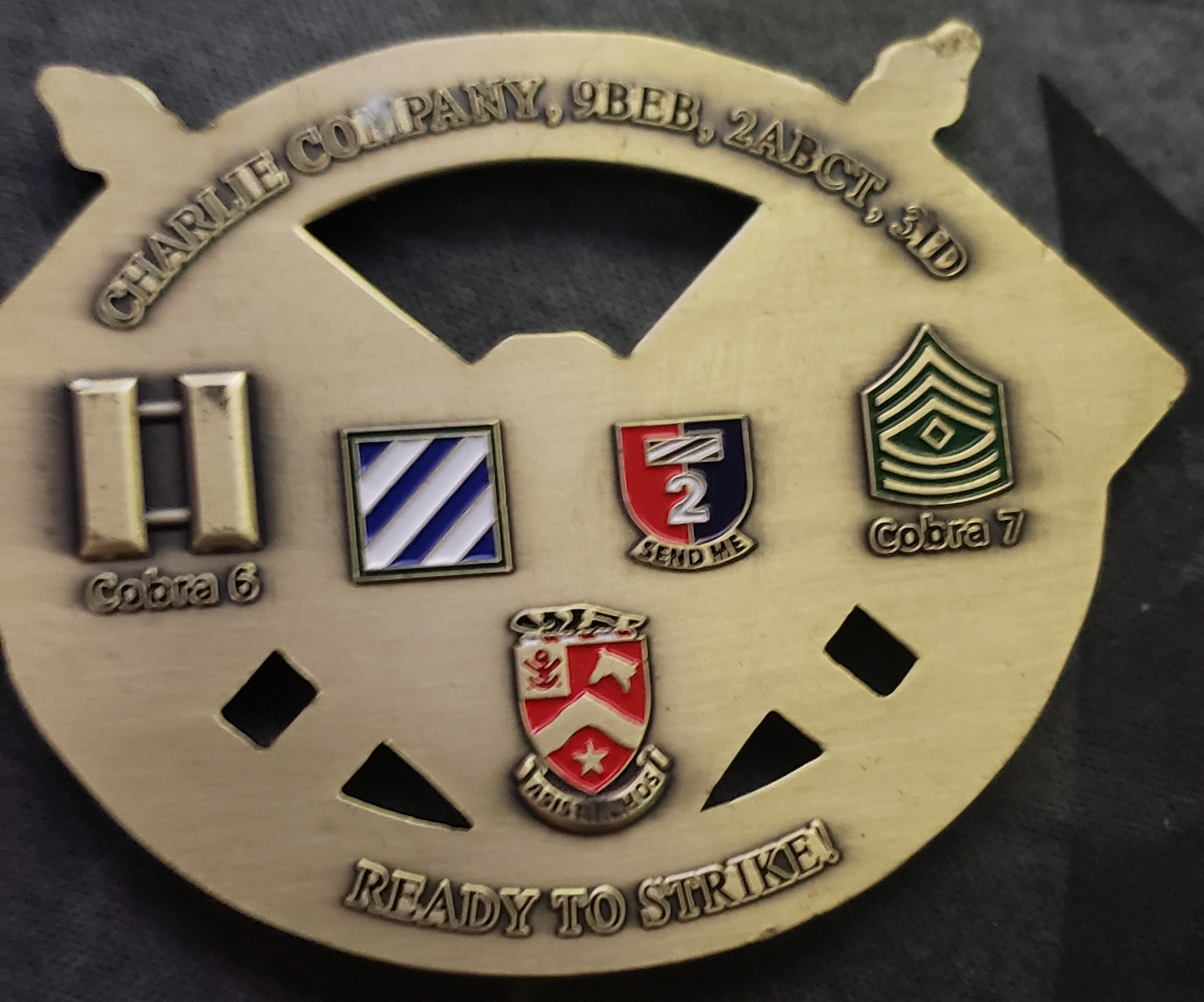
That initiative was recognized with a company challenge coin. It also contributed to my promotion to Specialist (E-4) at the earliest point allowed by my time in service, making me the fastest Soldier in my company to reach that rank. More importantly, the work demonstrated a pattern I have carried forward: learn unfamiliar technology quickly, make it useful under real operating conditions, document what matters, and teach the team so the capability survives beyond one person.
Recognition: first 2ABCT Soldier to learn and teach T2C2 operation · Company challenge coin · Promoted to E-4 at the earliest time-in-service eligibility
Enterprise Network Operations
- Network Specialist with Tango Alpha 3 at Malmstrom Air Force Base, March–September 2022.
- Supported approximately 100 users and medical clinics serving roughly 500 patients per day.
- Connectivity, VoIP, asset tracking, documentation, and authorized physical-security awareness work.
Read network-operations experience
Professional experience
Network Specialist — Tango Alpha 3, Malmstrom Air Force Base
March 2022 – September 2022
I handled day-to-day network operations supporting medical clinics serving roughly 500 patients per day and approximately 100 users. The role included connectivity troubleshooting, VoIP support, workstation issues, equipment tracking, inventory work, network documentation, and identifying problems before they became wider service interruptions. With leadership’s permission, I also performed authorized physical-security audits by testing whether staff challenged an unfamiliar person without a visible badge and whether unattended or publicly accessible laptops could be reached. I used the findings as teaching opportunities with facility staff, reinforcing badge awareness, workstation locking, and practical on-site security. Because the environment supported clinical operations, reliable communication, accurate asset control, discretion, and clear escalation mattered more than simply closing a ticket quickly.
Independent Technical Development
- Built and maintained a home networking and server lab in Montana.
- Practiced configuration, troubleshooting, and change testing with Cisco and Brocade equipment.
Read about the home lab & view photograph
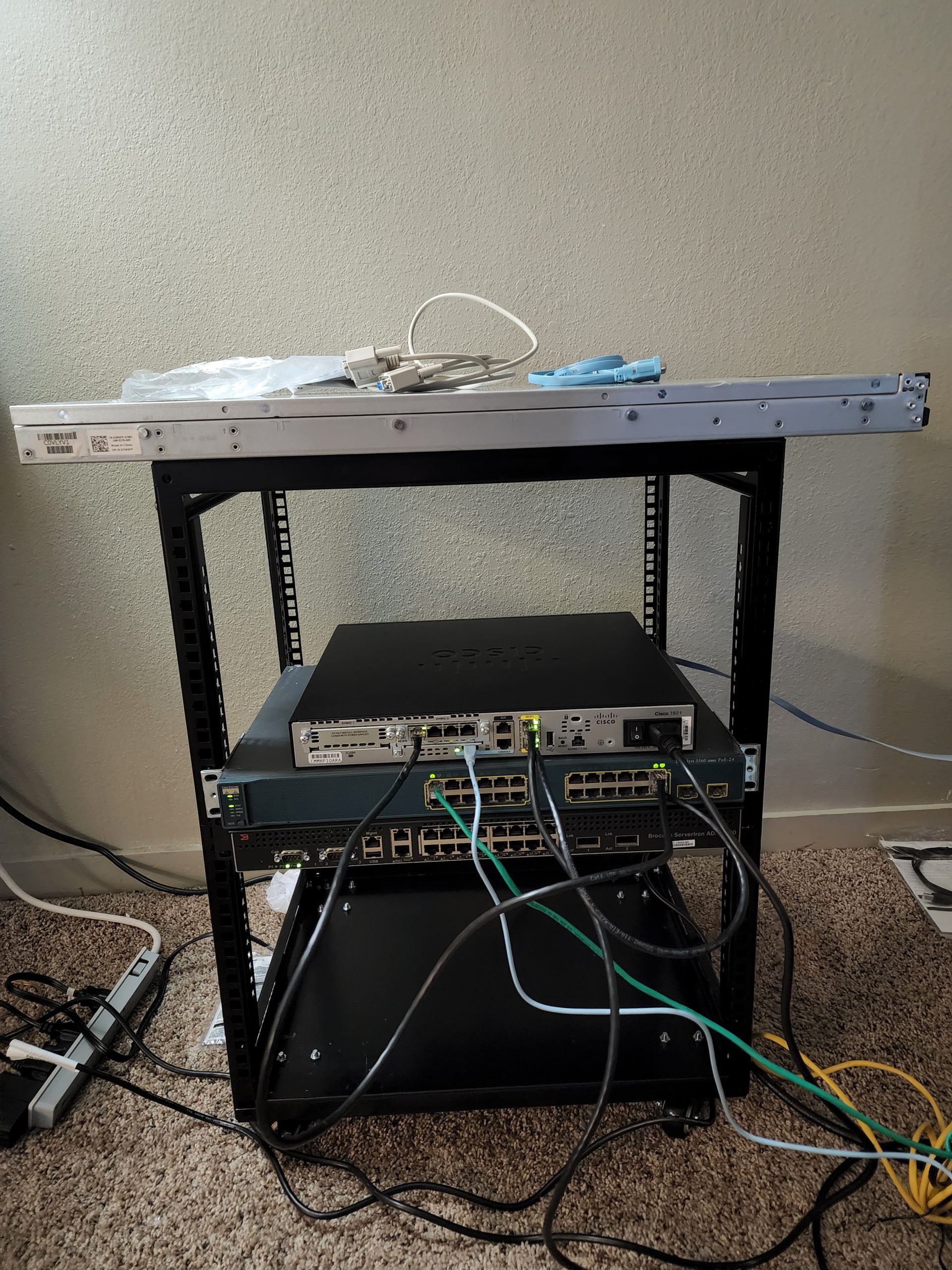
Independent technical development
Home networking and server lab — Montana
Outside work, I built and maintained a home test lab in Montana so I could continue developing technical skills through direct experimentation. I used rack-mounted Cisco and Brocade networking and server equipment to practice configuration, troubleshoot connectivity and hardware problems, test changes before applying them elsewhere, and support personal projects. Building the lab reinforced a habit I have carried into later work: learn a system by operating it, break problems into manageable parts, document what matters, and improve the setup over time.
Independent Operations & Business Development
- Dedicated servers, automation, websites, community operations, and technical support since 2022.
- Executive, investor, operator, and distributor outreach to assess markets, partnerships, and feasibility.
- Project-based work spanning radar research, AI coordination, game development, and small-business experiments.
Read independent operations & project-based experience
Independent operations and business development
Since 2022, I have worked across dedicated servers, automation, websites, online communities, technical support, marketing, and small business experiments. The work has required learning unfamiliar tools quickly, coordinating several moving parts, protecting live data, and deciding when to continue investing effort or when changing conditions made a project unreasonable to pursue.
A significant part of this experience has been outreach. I have built relationships and initiated conversations with executives, investors, operators, distributors, and industry participants who are often difficult for an early-stage project to reach. Those conversations have produced market intelligence, conditional interest, and a more realistic understanding of what financing, compliance, partnerships, and execution would require. I treat access as the beginning of diligence, not as proof that a transaction or commitment exists.
I also pursue projects because learning the underlying system may create value later even when the immediate concept does not launch. Researching government procurement, land and development requirements, regulated products, decentralized technology, community operations, or monetization expands the set of problems I can approach in the future. The result is a growing body of practical knowledge rather than a collection of disconnected ideas.
Project-based experience
Newest work first where the sequence is known. Calendar-dated projects follow, ordered by their latest stated activity year; overlapping years do not imply a precise within-year order. Projects without a confirmed place in the timeline are listed last. View the full Projects directory.
Most recent work
Active development · Experimental radar research
Radar & Activity Research
Most recent · 2026
A connected local-first workflow for IWR6843AOP radar visualization, reusable collection tools, experimental sensing firmware and a future human-reviewed activity dataset.
Explore the radar projectsPrivate software · Public product site
Swarmcord
Most recent · 2026
A private workspace for coordinating AI teams, reviewing conversation history, and tracking handoffs across research and game projects. Explore the current features and roadmap.
Explore SwarmcordIndependent research · In progress
Independent Mathematics Research
Current research · 2026
Statistical multiple-testing research with eight candidate claims under investigation, an AI-assisted workflow, and formal proof checking as part of the method.
Explore the research approachActive development
Attack on Chevron of Everon
Recent · Before Radar Studio and Swarmcord
Enfusion development, oil logistics, deployment, and player testing.
Read full project historyTemporarily offline
Arma 3 Overthrow
Recent · Before Radar Studio and Swarmcord
The campaign is preserved but temporarily offline because the current hosting provider does not have capacity available for the required server upgrade.
Read full project historyCompleted in Unity
VRChat Community Hub
Before the Arma projects · Exact year unconfirmed
Two published club worlds with scripts, audio, shaders, and games.
Read full project historyEarlier dated projects
Civic outreach
Colorado Springs Documentation
January 2026
Evidence organization, neighborhood resources, and public reporting.
Read full project historyClient work
Portland Mechanic Websites
2025
WordPress, service writing, owner communication, and maintenance.
Read full project historyHistorical co-founder work
Crypto, Community, and Support
2020–2025
Outreach, technical support, nodes, servers, and documentary media.
Read full project historyPast business
Residential Security Sales
2024
Direct outreach, objection handling, trust, and field organization.
Read full project historyArchived
CannaFox
Around 2024 · Approximate
Regulated product components, packaging, suppliers, and risk.
Read full project historyOperated one year
Private After-Hours Social Club
2023–2024 · Approximate
Membership, hospitality, recurring attendance, and nightly operations.
Read full project historyDates still to confirm
Completed media
Global Beer Authority
Date unconfirmed · Around the Global Supply period
Interviews, cross-cultural communication, and feedback analysis.
Read full project historyResearch stage
Global Supply Authority
Date unconfirmed · Around the Global Beer period
Government procurement, vendor networks, and delivery risk.
Read full project historyFeasibility study
Successville
Earlier than Global Beer / Global Supply · Year unconfirmed
Land, capital, agriculture, regulation, and executive outreach.
Read full project historyActive
Global X Authority
Dates unconfirmed
Community infrastructure, releases, documentation, and player operations.
Read full project historyCore Capabilities
- Infrastructure and operations: systems, networking, communications, backups, and troubleshooting.
- Development and web operations: scripting, WordPress, documentation, automation, and AI-assisted workflows.
- Leadership and outreach: training, community support, feasibility research, and technical briefings.
View the full capabilities list
Core capabilities
Infrastructure and operations
- Linux and Windows systems
- Cisco and Juniper networking
- VoIP and communications systems
- Dedicated game-server deployments
- Backups, rollback planning, and recovery
- Logs, monitoring, and performance analysis
- Healthcare IT and clinical-site support
- Inventory control and asset accountability
- Authorized physical-security assessments
Development and web operations
- Enfusion and game-system scripting
- Mod packaging and version control
- WordPress and small-business websites
- Technical documentation
- CRM, automation, and business email
- Security-minded system design
- AI Agent Research Workflow
Leadership and outreach
- Executive and partner outreach
- Community support and moderation
- Training and knowledge transfer
- Market and feasibility research
- Project status and risk evaluation
- Evidence-based troubleshooting
- Public speaking and technical briefings
- Event and tournament operations
- International travel and cross-cultural experience
Training & Credentials
- Completed the 27-week military communications MOS qualification course at Signal School.
- Earned CompTIA Security+ in November 2020; certification expired in 2023.
- Completed UCCS coursework in mathematics and public speaking.
Read training and credential details
Training and credentials
I completed the 27-week military communications MOS qualification course at Signal School, Fort Gordon, from June 2019 through January 2020. My hands-on equipment experience includes Cisco routers and switches, Cisco Call Manager, Redcom Sigma, Promina, Brocade, and mixed tactical communications systems. I earned CompTIA Security+ in November 2020; the certification expired in 2023 and is listed here with that status rather than represented as current.
At the University of Colorado Colorado Springs (UCCS), I completed MATH 1040 with a B− and Public Speaking with an A−. The coursework strengthened practical quantitative reasoning and prepared communication in front of an audience.
Global Experience
- International travel supporting adaptability and cross-cultural communication.
- A dedicated page documents visit categories and an interactive map.
Read about global experience
Global experience
International travel has strengthened my adaptability, cross-cultural communication, and comfort learning in unfamiliar environments. The dedicated Global Experience page includes an interactive map and clear visit categories.
Projects & entrepreneurship
Turning a shared goal into organized work.
Successville
Coordinated contributors and helped assemble a comprehensive business plan delivered to investors. Required initial capital remained the barrier to execution.
Crypto & community operations
Led roughly 15 moderators across three Discord communities totaling more than 1,000 members. Coordinated events, outreach, bots, educational media, and bug reporting.
Independent technical projects
Define requirements, connect tools, test results, and bring specialists in when the work needs their expertise. AI-assisted work is identified clearly.