Category: Uncategorized

  • Residential Security Sales Operation

    I operated a door-to-door residential security sales business that developed practical skill in direct outreach, customer conversations, handling objections, field organization, and personal accountability.

    Past business experience · Company identity intentionally omitted

    Door-to-door sales removes many of the buffers found in online marketing. The conversation begins with no established attention, and the salesperson has to communicate relevance quickly while respecting that the homeowner did not request the interaction.

    The work strengthened my ability to listen for the actual concern behind an objection, explain a service in plain language, organize follow-up, and accept rejection without allowing it to damage the next conversation. Trust and professionalism mattered especially because the product involved people’s homes and personal safety.

    I intentionally do not identify the company publicly, but the operating and sales experience remains relevant. It influenced how I approach later outreach, technical support, and project communication: be direct about what is being offered, avoid pretending uncertainty does not exist, and make it easy for the other person to decide.

    Capabilities demonstrated

    • Direct sales and outreach
    • Objection handling
    • Customer trust and communication
    • Field organization and follow-up
    • Personal accountability

    ← Return to Projects

  • Private After-Hours Social Club — Portland

    I helped create and operate a word-of-mouth, membership-based after-hours social space in Portland where members could gather after conventional bars closed. Events typically drew 15–45 people, averaging about 30 per event.

    Operated approximately one year · Archived

    The operation generated enough income to support us during its active period. Running it required membership sales, hospitality, recurring customer relationships, word-of-mouth growth, cash-flow awareness, and consistent nightly execution. The experience was an unusually direct lesson in how atmosphere, trust, and repeat customers create a community-driven business.

    Because the project relied on late-night operations, the schedule eventually became personally unsustainable. We chose to close it after approximately a year even though it was producing income. More sleep and a healthier routine were worth more than continuing solely because the operation could make money.

    That decision remains an important operating lesson. Revenue is one measure of a viable business, but sustainability also includes health, schedule, risk, and whether the work still fits the lives of the people running it.

    Capabilities demonstrated

    • Membership sales
    • Hospitality and event operations
    • Word-of-mouth customer growth
    • Recurring customer relationships
    • Sustainability and closure decisions

    ← Return to Projects

  • Local-Business Websites for Portland Mechanics

    I built and maintained websites for automotive mechanics in the Portland area, translating real services into pages customers could understand and use.

    Past client work

    Small-business websites have to satisfy two audiences at once. The owner needs the site to represent the business accurately, while visitors need to identify services, location, contact information, and the next step without searching through unnecessary material.

    The work included page organization, WordPress publishing, service descriptions, updates after launch, and direct communication with business owners. It taught me to ask what customers repeatedly call about, what information employees have to explain manually, and how the website can reduce that friction.

    These projects also made maintenance feel concrete. A site is not finished at launch; outdated information, dead links, plugin changes, and unclear calls to action gradually weaken it. Keeping the site useful requires ongoing attention to both the technical platform and the business’s changing needs.

    Capabilities demonstrated

    • WordPress site building
    • Service and information architecture
    • Client communication
    • Maintenance and content updates
    • Customer-focused web writing

    ← Return to Projects

  • Crypto, Community, and Technical Support Projects

    I served as a co-founder across Game-Frag (FRAG), Seed2Need (Farm/Silo), and Spectre Security Coin (XSPC/SSMN). My work combined marketing, outreach, troubleshooting, bug discovery, client-facing technical support, wallet and node assistance, and game-server operations.

    Historical co-founder experience · Not active investment offers

    These projects gave me experience supporting users who were often interacting with unfamiliar technical systems and real financial expectations. Clear instructions, careful troubleshooting, and honest communication mattered because confusion around wallets, nodes, software versions, or project messaging could quickly damage trust.

    Seed2Need also included community and documentary work. I helped a woman in the Philippines establish a small chicken farm after a typhoon and tsunami destroyed her village and home. I contributed to a bee documentary connected to the project and documented mushroom cultivation from spore through fruiting, turning technical biological processes into understandable visual records.

    I ultimately stepped away when my goals for the projects diverged from those of the other founders. They are presented here as historical experience and learning—not as active investment opportunities or endorsements of their current direction.

    Capabilities demonstrated

    • Community marketing and outreach
    • Wallet and node support
    • Troubleshooting and bug discovery
    • Game-server operations
    • Documentary and educational media

    ← Return to Projects

  • CannaFox — Regulated Product Development Study

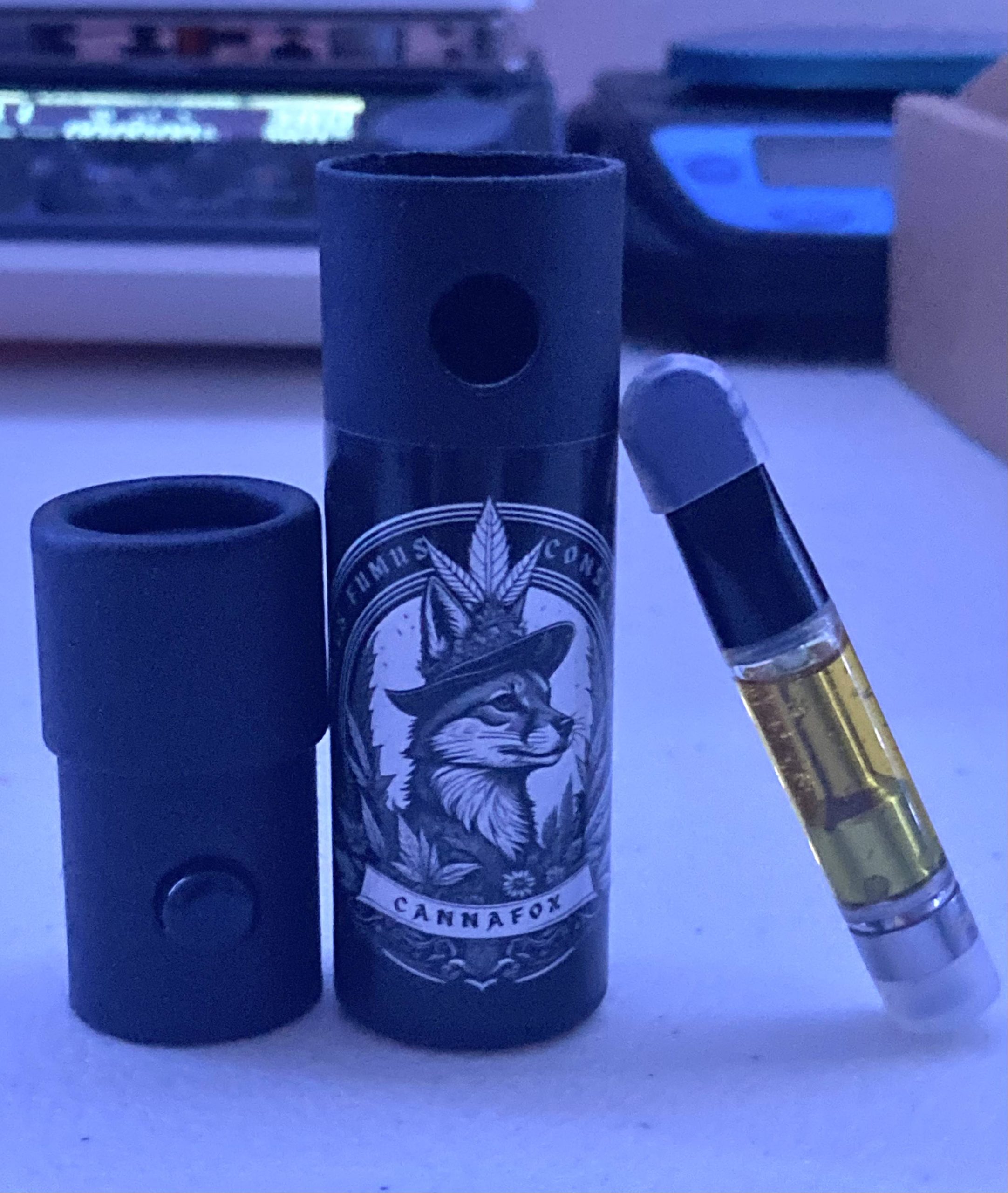
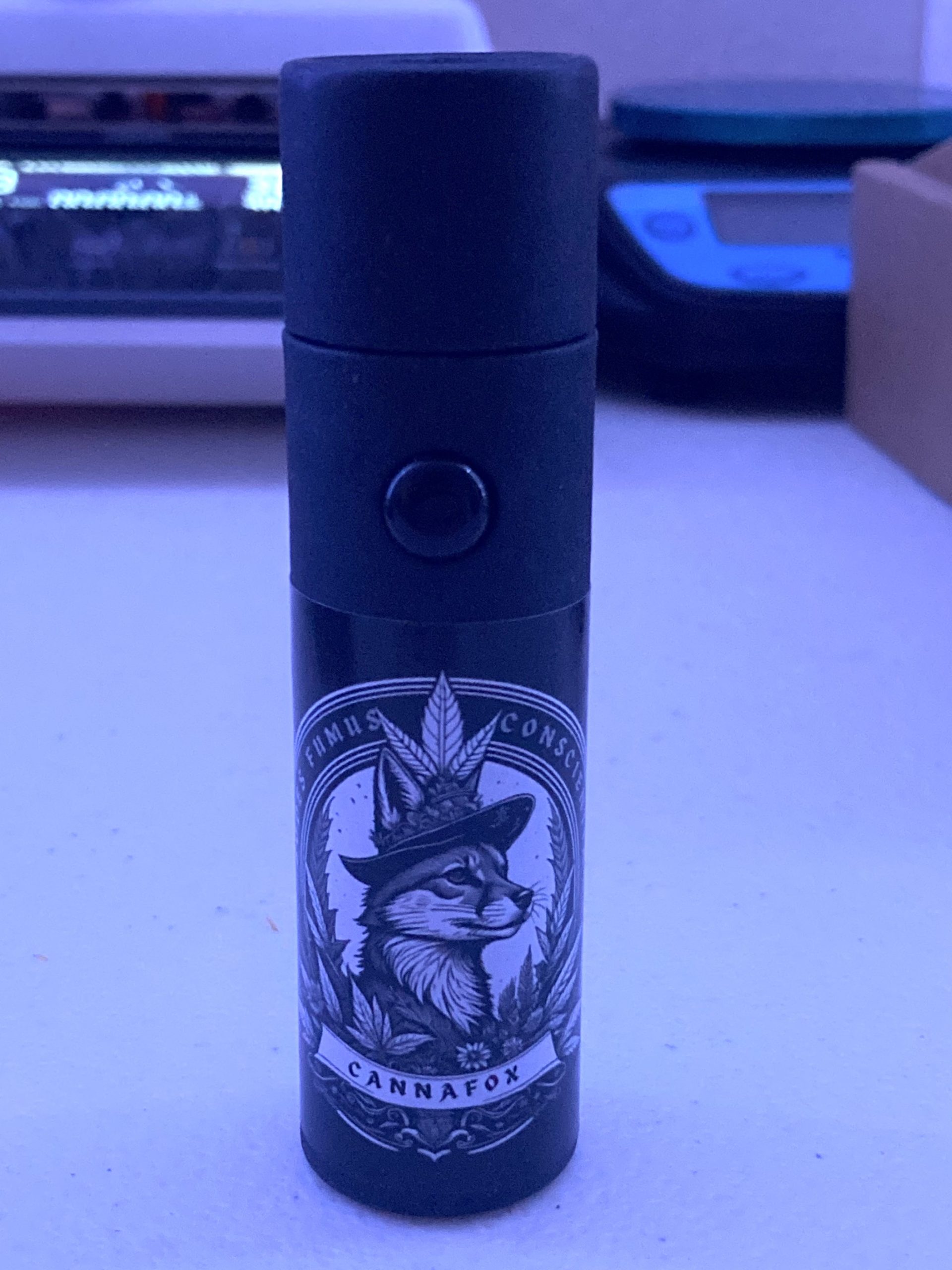
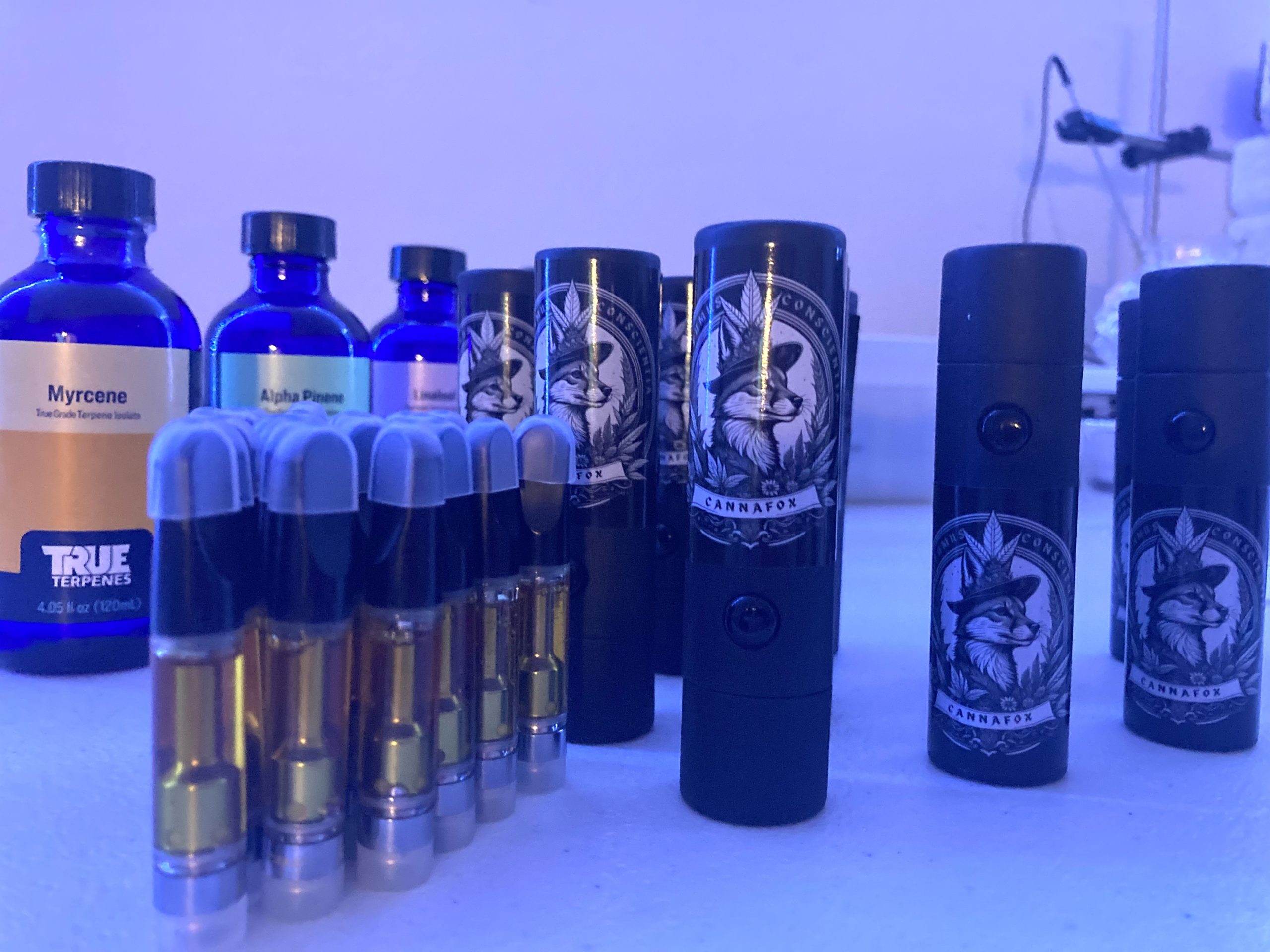
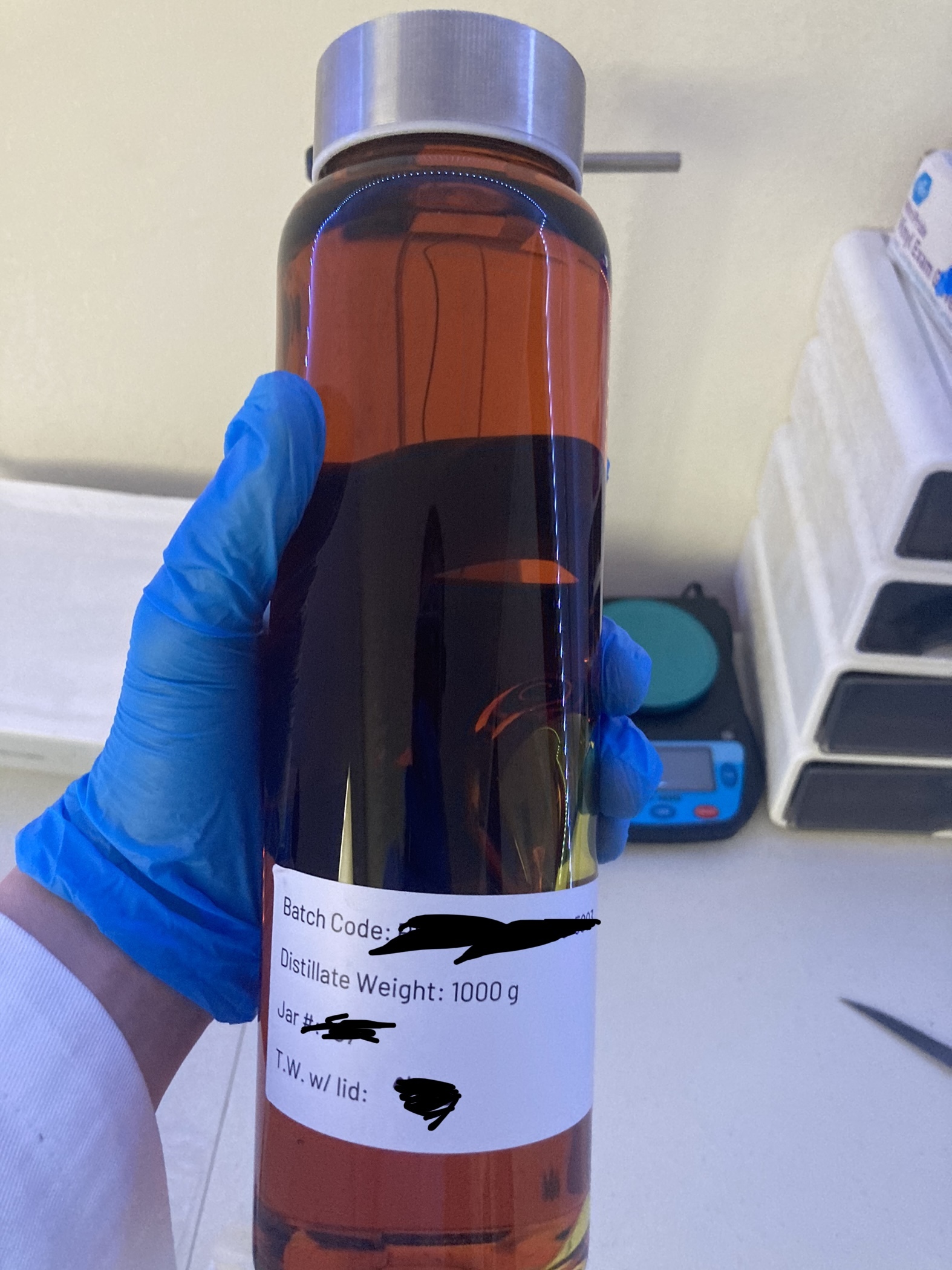
    CannaFox explored a hemp-derived THC cartridge product using quality terpene inputs, CCELL hardware, and child-resistant packaging. It is documented as historical product-development experience, not as an active product or current offer.

    Archived after legal and regulatory changes

    The work included product positioning, component selection, packaging considerations, supplier research, and evaluation of the compliance environment. A regulated physical product has to be considered as a complete system: ingredients, hardware, packaging, labeling, customer expectations, and legal conditions all affect whether the business can responsibly operate.

    The project stopped when legal and regulatory conditions changed. That decision was part of the work rather than a failure to recognize the issue. Continuing to sell into an uncertain environment would have created risk that the product concept did not justify.

    CannaFox strengthened my understanding of dependency risk. A product can be technically viable and still become commercially unreasonable because a law, supplier, payment channel, or compliance requirement changes. Monitoring those external dependencies is as important as developing the product itself.

    Capabilities demonstrated

    • Product and supplier research
    • Component and packaging evaluation
    • Regulatory-environment review
    • Risk-based operating decisions
    • Responsible project closure

    ← Return to Projects

  • Colorado Springs Community Documentation and Outreach

    This project organized evidence concerning neighborhood sanitation, property damage, environmental conditions, and public-safety concerns so that residents and officials could evaluate a documented pattern instead of a collection of isolated complaints.

    Civic documentation and neighborhood outreach project

    I organized photographs and dated updates, prepared petition and neighborhood-watch resources, and encouraged residents to report concerns through appropriate civic channels. The work required separating observable facts from assumptions and presenting information in a form that other people could verify.

    The project reinforced that documentation is most useful when it supports action. A folder full of images is not automatically a persuasive record; dates, locations, categories, context, and a clear explanation of the requested response make the information easier to evaluate.

    It also provided practical experience in local outreach. People may agree that a problem exists while disagreeing about how to describe it or what should happen next. Keeping the focus on shared evidence and legitimate reporting channels helped turn frustration into a more constructive process.

    Capabilities demonstrated

    • Evidence organization
    • Civic and neighborhood outreach
    • Petition and resource preparation
    • Fact-based public communication
    • Issue tracking over time

    ← Return to Projects

  • VRChat Community Hub — Unity World Development

    VRChat Community Hub was fully built in Unity and released as two complete club environments: a traditional American-style nightclub and an underground club constructed within a labyrinthine ruined structure.

    Completed and published VRChat project

    Both worlds used directional audio, custom scripts, and audio-linked visual effects built with JuneShades and other shader systems. The environments were designed to feel responsive to music rather than functioning as static rooms.

    The worlds also included pool, beer pong, spin the bottle, blackjack, private rooms with locking doors, and advertising placements designed for paid use. Building those features required world logic, interaction design, spatial planning, testing, and attention to how many separate systems behave together during a social event.

    I did not handle marketing for the project because the VRChat community has its own distinct culture and ways of engaging with creators. My contribution focused on Unity-based development, scripting, venue layout, spatial audio, visual effects, and turning a community concept into finished environments that people could actually visit and use.

    Capabilities demonstrated

    • Unity world development
    • Custom scripting and interaction logic
    • Directional and spatial audio
    • Audio-linked shaders and visual effects
    • Multiplayer social-space design

    ← Return to Projects

  • Global Beer Authority — Interviews, Media, and Feedback

    For Global Beer Authority, I brought American beers to Germany and recorded local participants trying them while I interviewed them about the experience. The project combined a twenty-point review system with unscripted reactions and cross-cultural conversations.

    Completed and published media project · Archived

    The completed videos remain published on YouTube. Producing them required approaching strangers, explaining a clear shared activity, keeping people comfortable on camera, listening closely, and finding useful follow-up questions without turning the conversation into a rigid script.

    Although I did not brew or own the beers, they were products associated with my country. Hearing candid reactions taught me to receive criticism without treating it as a personal judgment. I learned to ask what someone actually meant, separate individual preference from useful product insight, and understand feedback before deciding how to respond.

    Those communication skills carried into later technical support, community work, and business outreach. The project was small, but it provided repeated practice in starting conversations, interviewing people with different backgrounds, and turning informal reactions into useful observations.

    Capabilities demonstrated

    • On-camera interviewing
    • Cross-cultural communication
    • Follow-up questioning
    • Feedback analysis
    • WordPress and media publishing

    ← Return to Projects

  • Global Supply Authority — Government Contracting Research

    Global Supply Authority studied whether a national vendor network could provide real operating costs and delivery capacity while a coordinating business assembled those capabilities into government-contract bids.

    Research-stage business model · Not an operating brokerage

    The theory was attractive because participating vendors could focus on delivery while the central operation handled opportunity research, pricing coordination, bid packaging, and administrative work. We completed substantial research to understand how that model might move from a clean diagram into a responsible operating business.

    The investigation showed that government contracting is much less direct in practice. Vendor qualification, procurement rules, bidding authority, past performance, pricing, bonding, compliance, relationships, and responsibility for delivery create real barriers. Coordinating vendors does not remove the prime contractor’s obligation to understand and manage those risks.

    The concept remains useful because procurement knowledge may support stronger future projects. Learning the system before urgently needing it creates better judgment about when a contract opportunity is realistic, what evidence a team needs, and where an apparently simple intermediary model can fail.

    Capabilities demonstrated

    • Government procurement research
    • Vendor-network analysis
    • Compliance and delivery-risk review
    • Pricing and qualification research
    • Theory-to-execution evaluation

    ← Return to Projects

  • Successville — Large-Scale Community Feasibility Study

    Successville explored whether a company-supported community could be developed on lower-cost unincorporated land around entrepreneurship, technology, and practical innovation. It was a serious feasibility and networking effort, but it did not advance to committed financing, land acquisition, permitting, or construction.

    Pre-development feasibility work · Not executed

    Two related models were developed so the concept could be evaluated through institutional and non-institutional funding routes. The institutional model centered on agriculture and biofuel production as an economic anchor. The alternative examined a large-scale, legally regulated cannabis cultivation operation, informed partly by industry conversations about possible California supply shortfalls.

    Exploratory discussions included an oil-industry executive who expressed potential interest in contributing approximately $1.5 billion if the team could first assemble roughly $100 million in qualifying capital. That was conditional interest, not committed funding. We investigated financing routes, partnership structures, and below-market land in Southern California while also considering other United States and European locations.

    The project did not proceed because we did not have the resources or capital network needed to satisfy the initial threshold. Its value was the exposure to questions that ambitious concepts cannot avoid: land use, infrastructure, licensing, environmental review, operating economics, financing credibility, and the difference between gaining access to decision-makers and having an executable transaction.

    Capabilities demonstrated

    • Feasibility and market research
    • Executive and investor outreach
    • Capital and partnership exploration
    • Land and regulatory investigation
    • Honest project-status evaluation

    ← Return to Projects